10 Science-Backed Health Benefits of Eating Dry Fruits Daily
Dry fruits are among the most nutrient-dense foods available to the human body. Unlike fresh fruits that lose nutrients rapidly after harvest, dry fruits concentrate their vitamins, minerals and antioxidants through the drying process. Here are the 10 most important, research-backed health benefits of eating dry fruits daily.
1. Almonds Reduce LDL Cholesterol Within 4–6 Weeks
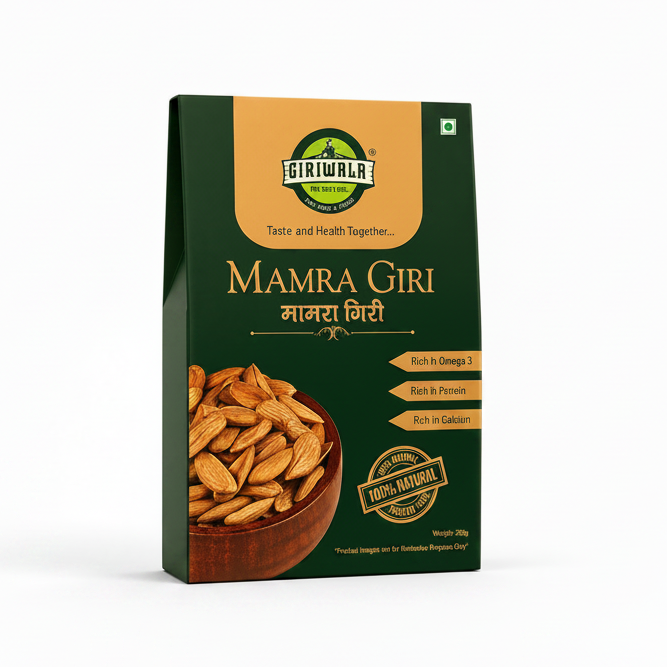
Daily almond consumption measurably reduces LDL (bad) cholesterol within 4–6 weeks according to multiple peer-reviewed clinical trials. Almonds trigger a 47% lower insulin response compared to carbohydrate snacks due to their effect on GLP-1 and Pancreatic Polypeptide hormones (ScienceInsights 2026). The recommended serving is 20–23 almonds (28g) daily, ideally soaked overnight and consumed on an empty stomach.
2. Walnuts Support Brain Health and Reduce Alzheimer's Risk
Walnuts contain 9.1g of Omega-3 ALA per 100g — the highest plant-based Omega-3 content among all common nuts. The MIND Diet links walnut consumption of 5+ servings per week to a 53% reduction in Alzheimer's risk over time (2026 research). Walnuts also contain natural Melatonin, supporting sleep quality and overnight memory consolidation. Recommended: 10 walnuts daily (Mayo Clinic 2026).
3. Dates Provide the Cleanest Natural Energy
Dates contain natural fructose and glucose that provide immediate, sustained energy without the insulin spike of refined sugar. Ajwa dates from Medina, Saudi Arabia show the highest polyphenol antioxidant content among all date varieties studied and are specifically researched for cardioprotective and neuroprotective properties. Medjoul dates are the world's largest variety — one date provides approximately 70–80 calories of clean natural energy.
4. Cashews Are the World's Most Preferred Healthy Nut
Cashews were chosen by 31.15% of consumers as their preferred healthy nut globally (INC Council 2026). They contain 17–19g protein per 100g and are rich in Copper — essential for collagen production, iron absorption and energy metabolism. Their monounsaturated oleic acid profile is comparable to extra virgin olive oil for heart-protective benefits.
5. Black Raisins Are a Natural Iron Remedy
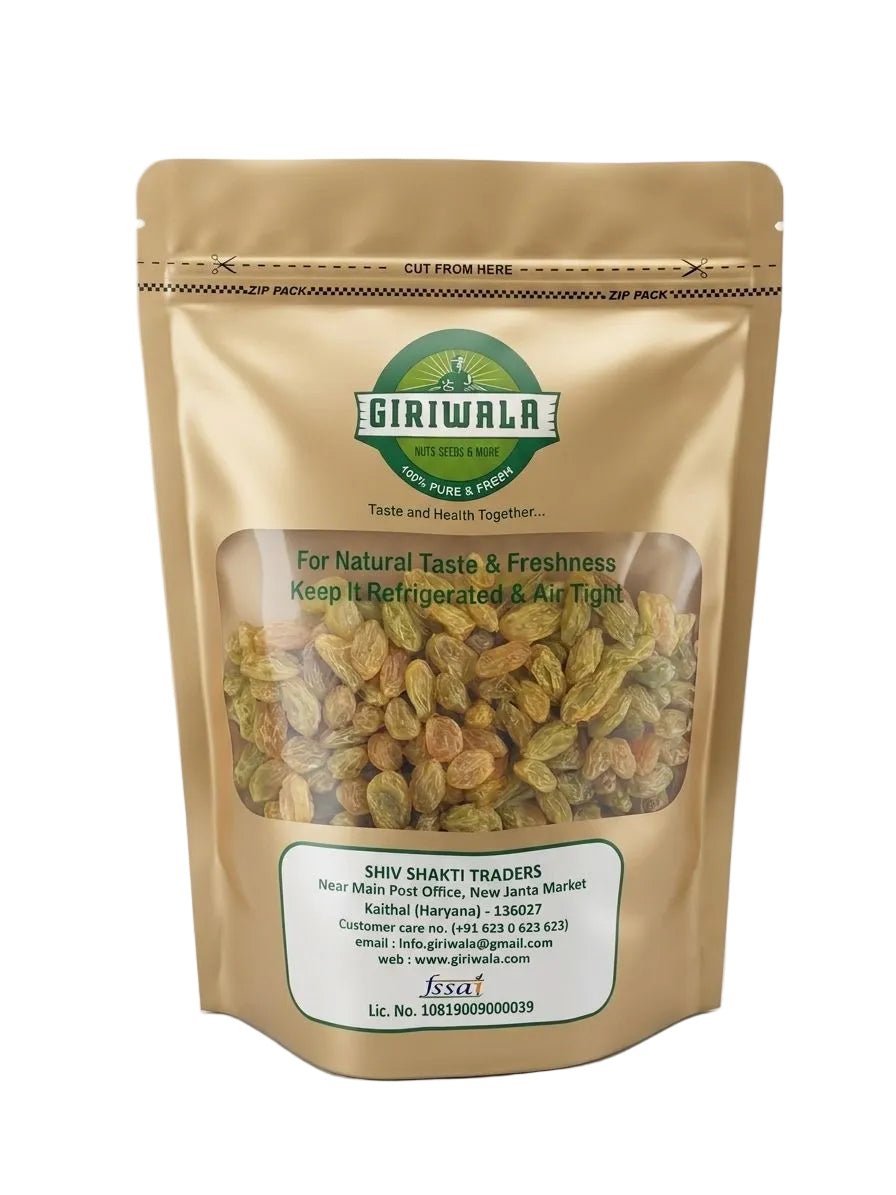
Black Kishmish (black raisins) contain higher iron and Anthocyanin antioxidants than standard green raisins. The traditional Ayurvedic iron protocol — soaking 15–20 black raisins overnight and consuming them with the soaking water on an empty stomach — is validated by modern nutritional science as an effective natural intervention for iron-deficiency anaemia.
6. Brazil Nuts Meet Your Full Daily Selenium Requirement With 1–2 Nuts
A single Brazil nut contains 68–91 mcg of Selenium against an adult daily requirement of just 55 mcg (ScienceInsights 2026). Selenium is essential for thyroid hormone synthesis, immune system activation and the body's primary internal antioxidant enzyme system (Glutathione Peroxidase). Selenium deficiency is widespread in India due to selenium-poor agricultural soil, making Brazil nuts a critical food for thyroid health.
7. Pistachios Are Clinically Proven to Reduce Blood Pressure
In a 4-month controlled study of 100 people, the pistachio group showed significant reduction in blood pressure and measurably increased blood antioxidant levels vs the control group (Healthline 2024). Pistachios are also the lowest-calorie nut at 160 kcal per 30g serving — ideal for weight management.
8. Anjeer (Dried Figs) Have the Highest Calcium Among All Dry Fruits
Dried figs contain more bioavailable calcium per serving than many dairy alternatives, critical for bone health in vegetarian and vegan diets. They also contain 9.8g dietary fibre per 100g, reliably relieving constipation and feeding the gut microbiome. Chlorogenic acid in figs helps regulate blood sugar levels post-meal.
9. Flax Seeds Contain 800x More Lignans Than Any Other Food
Flax seeds contain 800 times more dietary lignans than any other food on earth. These phytoestrogens support hormonal balance in women, reduce PMS symptoms and support natural menopause management. With 22.8g Omega-3 ALA per 100g, flax seeds provide more Omega-3 than salmon per gram. Important: always grind before eating — whole seeds pass through undigested.
10. Makhana Is India's Best Low-Calorie Superfood
At only 347 kcal per 100g with 9.7g protein, Glycaemic Index of 53 and the rare anti-ageing antioxidant Kaempferol, Makhana is unmatched as a low-calorie, diabetic-friendly Indian superfood. Grown in Bihar's freshwater lakes, it is a uniquely Indian superfood with millennia of Ayurvedic use.
Daily Dry Fruit Protocol for Best Results
- Soak almonds, walnuts and raisins overnight for maximum absorption
- Consume on an empty stomach in the morning
- Grind flax seeds before use
- Limit Brazil nuts to 1–3 per day
- Aim for a 30g mixed handful daily
- Store in airtight containers, refrigerate for extended shelf life